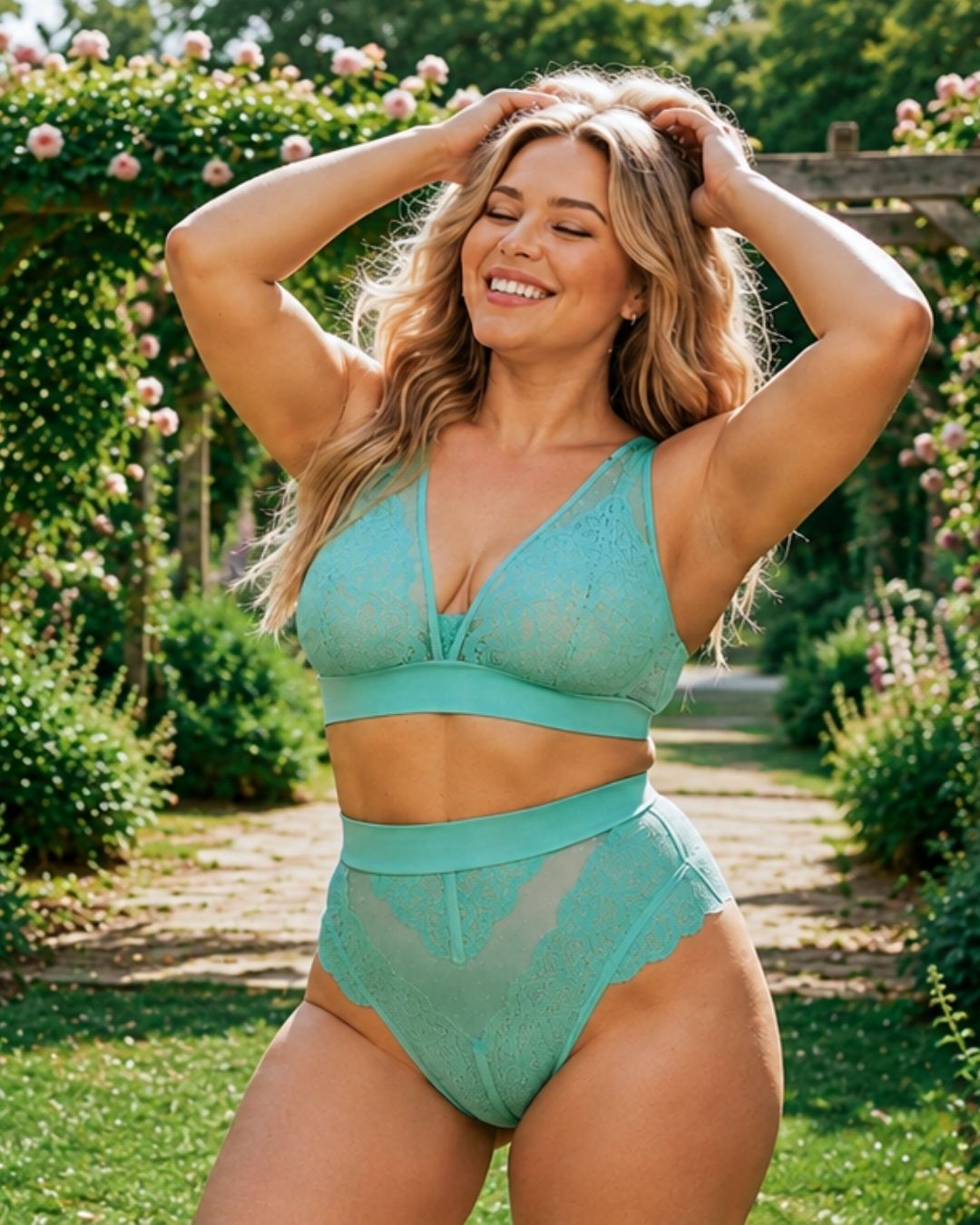
Why Do Bras Contain Elastane? The Secret Behind Stretch, Support & Comfort | Tutti Rouge
If you've ever checked the care label on your favourite bra, you've probably noticed a small percentage of elastane, sometimes listed as spandex or Lycra®.
Although it usually makes up only a small part of the fabric, elastane plays a huge role in how your lingerie fits, feels and performs. Without it, most modern bras simply wouldn't provide the comfort, flexibility and support we've come to expect.
So what exactly is elastane, and why is it used in almost every bra?
In this guide, we'll explain what elastane is, how it works and why it's one of the most important materials in modern lingerie.
What Is Elastane?
Elastane is a highly elastic synthetic fibre that's designed to stretch and recover its original shape.
It's known by different names around the world:
- Elastane, the most common term used in Europe and the UK.
- Spandex, the name more commonly used in North America.
- Lycra®, a well-known brand name for elastane fibre.
Although the names differ, they all refer to the same type of highly flexible fibre that's commonly blended with other materials to improve fit and comfort.
Why Is Elastane Used in Bras?
A bra needs to move with your body while still providing reliable support throughout the day.
That's exactly where elastane excels.
When blended with fabrics such as nylon, polyester or cotton, elastane allows the fabric to stretch comfortably before returning to its original shape. This helps your bra feel supportive without becoming restrictive.
Without elastane, bras would feel much stiffer and would struggle to maintain a secure fit as you move.
How Does Elastane Improve Comfort?
Comfort is one of the biggest reasons elastane is used in lingerie.
The gentle stretch allows bras to adapt to your natural movements throughout the day, whether you're sitting at your desk, walking, bending or reaching.
This flexibility helps reduce pressure points while allowing the bra to remain comfortably in place.
Because elastane works alongside other fibres rather than replacing them, manufacturers can create fabrics that feel soft against the skin while still offering excellent support.
How Does Elastane Help Bras Stay Supportive?
Support isn't just about underwires.
Much of a bra's support comes from the band, straps and wings, all of which rely on carefully controlled stretch to hold the bra securely against your body.
Elastane helps these areas provide:
- A secure fit.
- Gentle flexibility.
- Consistent support.
- Freedom of movement.
- Improved comfort throughout the day.
The result is a bra that feels supportive without feeling overly tight or restrictive.
Why Is Elastane Usually Mixed With Other Fabrics?
You won't often find bras made from 100% elastane.
Instead, it's blended with other fibres to combine the strengths of each material.
For example:
- Nylon adds strength, durability and a smooth finish.
- Cotton provides softness and breathability.
- Polyester helps improve durability and colour retention.
- Lace adds decorative detail while elastane helps it stretch comfortably.
This combination allows lingerie designers to create bras that feel comfortable, look beautiful and continue performing well after repeated wear.
Does Elastane Help Bras Last Longer?
Yes, provided it's cared for properly.
One of elastane's greatest strengths is its ability to stretch repeatedly before returning to its original shape. This helps bras maintain their fit far better than fabrics without elastic fibres.
However, heat and harsh washing conditions can gradually damage elastane over time. That's why following the care instructions on your lingerie is so important if you want it to retain its shape and support.
next
Where Is Elastane Used in a Bra?
Although elastane usually makes up only a small percentage of the fabric, it's used in several key areas of a bra where flexibility and support are essential.
You'll commonly find elastane in:
- The underband, helping the bra stay securely in place.
- The wings, allowing a comfortable yet supportive fit around the body.
- The shoulder straps, giving gentle stretch without losing support.
- The cups, where a small amount of flexibility can improve fit and comfort.
- Lace panels, allowing decorative fabrics to move more naturally with your body.
Every section has a different job, and elastane helps each part perform comfortably throughout the day.
Is Elastane Used in More Than Just Bras?
Absolutely.
Elastane is one of the most widely used fibres throughout the lingerie industry because it improves both fit and freedom of movement.
You'll often find it in:
- Briefs.
- Brazilian briefs.
- Thongs.
- Bodysuits.
- Shapewear.
- Bralettes.
- Sports bras.
- Nightwear with stretch fabrics.
Its versatility allows lingerie to feel supportive while remaining comfortable enough for everyday wear.
Does Elastane Make Shapewear More Effective?
Yes. Elastane is one of the key fibres used in shapewear because it provides controlled stretch and gentle compression.
Rather than making garments rigid, elastane helps shapewear contour smoothly to your body while still allowing you to move comfortably.
The amount of elastane used depends on the level of support the garment is designed to provide, with higher percentages often found in styles that offer firmer shaping.
How Should You Care for Bras Containing Elastane?
Elastane is durable, but it doesn't respond well to excessive heat.
To help your bras maintain their stretch and support for longer:
- Follow the care instructions on the label.
- Wash on a gentle cycle or hand wash where recommended.
- Use cool or lukewarm water.
- Avoid fabric conditioners unless the care label advises otherwise.
- Never tumble dry if it can be avoided.
- Allow bras to air dry naturally.
Taking care of the elastane fibres helps your lingerie retain its shape, fit and comfort for much longer.
Common Myths About Elastane
Myth: Elastane is the main fabric in a bra.
Usually not. Elastane is typically blended with other fibres and often makes up only a small percentage of the overall fabric composition.
Myth: Elastane makes bras feel tight.
When used correctly, elastane actually improves comfort by allowing the bra to stretch and move with your body while maintaining support.
Myth: Elastane wears out quickly.
High-quality elastane is designed to stretch and recover repeatedly. Proper washing and drying help preserve its performance over time.
Myth: Elastane and Lycra are different materials.
Lycra® is a brand name for elastane fibre. Spandex is another name for the same type of highly elastic material, most commonly used in North America.
The Bottom Line
Elastane may only account for a small percentage of your bra's fabric, but it plays a huge role in how your lingerie performs. Its exceptional stretch and recovery help bras provide the comfort, support and flexibility needed for everyday wear, while also helping garments maintain their shape over time.
Whether it's blended with soft cotton, smooth nylon, delicate lace or durable polyester, elastane helps create lingerie that moves with your body rather than against it. It's one of the reasons modern bras feel so much more comfortable, supportive and reliable than ever before.
Frequently Asked Questions
What is elastane?
Elastane is a highly elastic synthetic fibre that allows fabrics to stretch and return to their original shape. It's commonly used in bras, underwear and sportswear.
Is elastane the same as spandex?
Yes. Elastane is the term most commonly used in the UK and Europe, while spandex is the name more commonly used in North America. Lycra® is a well-known brand of elastane fibre.
Why do bras contain elastane?
Elastane provides stretch, comfort and support, helping bras fit securely while allowing freedom of movement throughout the day.
Does elastane make bras more comfortable?
Yes. Its flexibility allows bras to adapt to your body's natural movements while maintaining a supportive fit.
How much elastane is usually in a bra?
Most bras contain a relatively small percentage of elastane blended with other fibres such as nylon, polyester or cotton to achieve the right balance of comfort and support.
Does elastane wear out?
Like all fibres, elastane gradually loses elasticity over time, particularly if exposed to high heat. Proper care helps extend its lifespan.
Can you tumble dry bras with elastane?
It's generally best to avoid tumble drying. High temperatures can damage elastic fibres and reduce the bra's ability to maintain its shape and support.
Is elastane only used in bras?
No. Elastane is also widely used in briefs, bodysuits, bralettes, shapewear, sports bras and many other stretch garments where comfort and flexibility are important.